Waga Energy, upgrading Landfill Gas
into biomethane
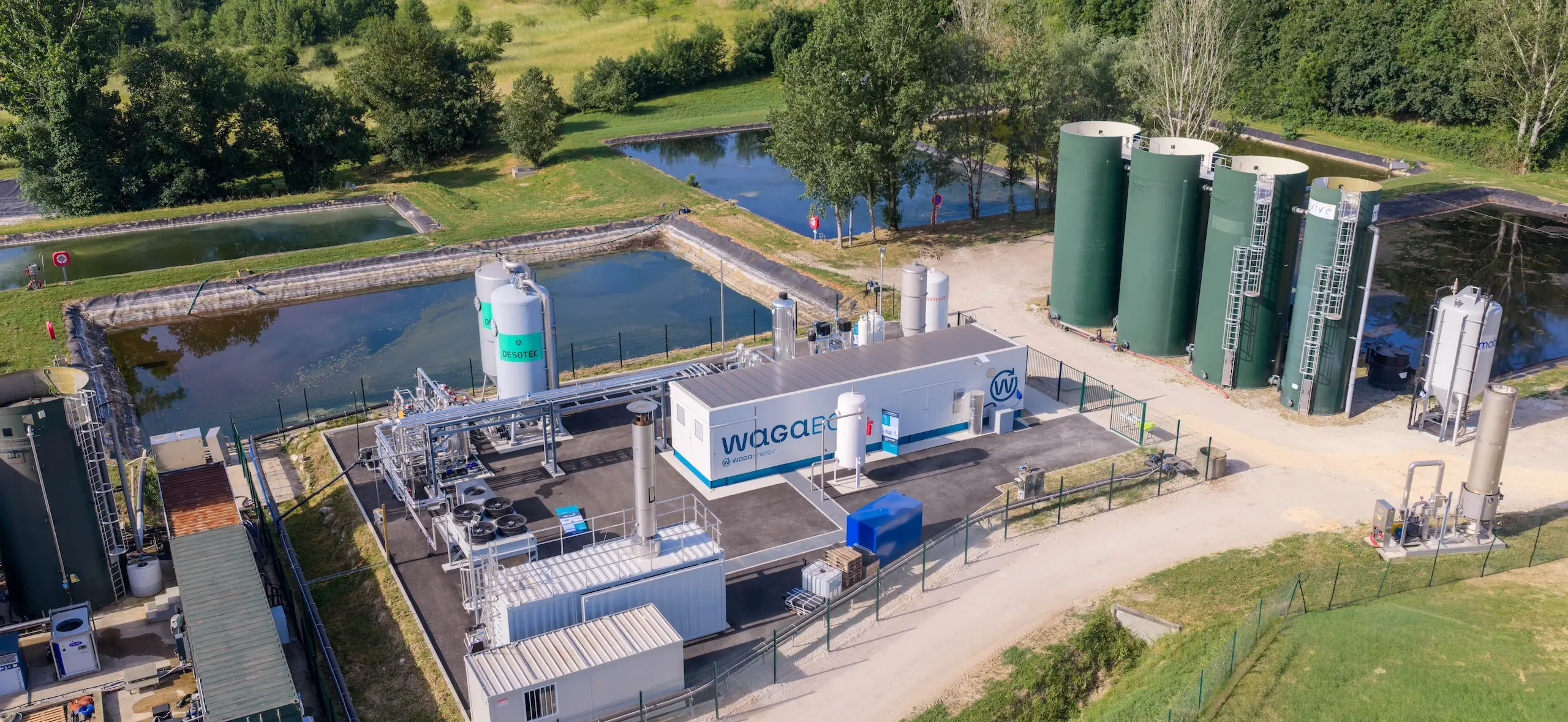
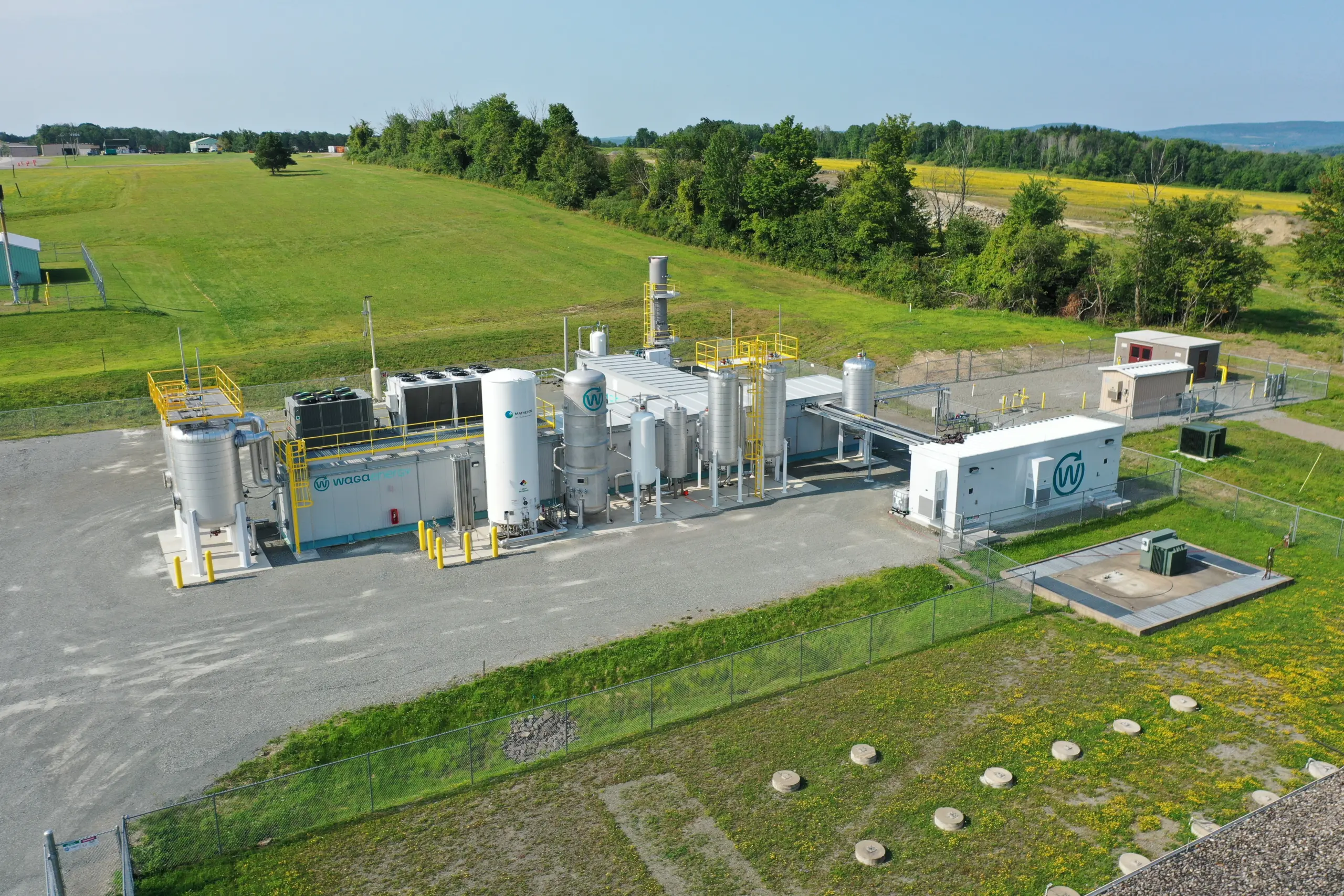
Waga Energy builds, owns, and operates high-performance facilities that upgrade landfill gas into grid-compliant biomethane.
From landfill gas to biomethane
Industrial solutions for biomethane
production from landfill gas.
Monetize my landfill gas
Turn your landfill biogas into renewable value.
Buy Biomethane
Secure a reliable supply of high‑quality renewable gas.
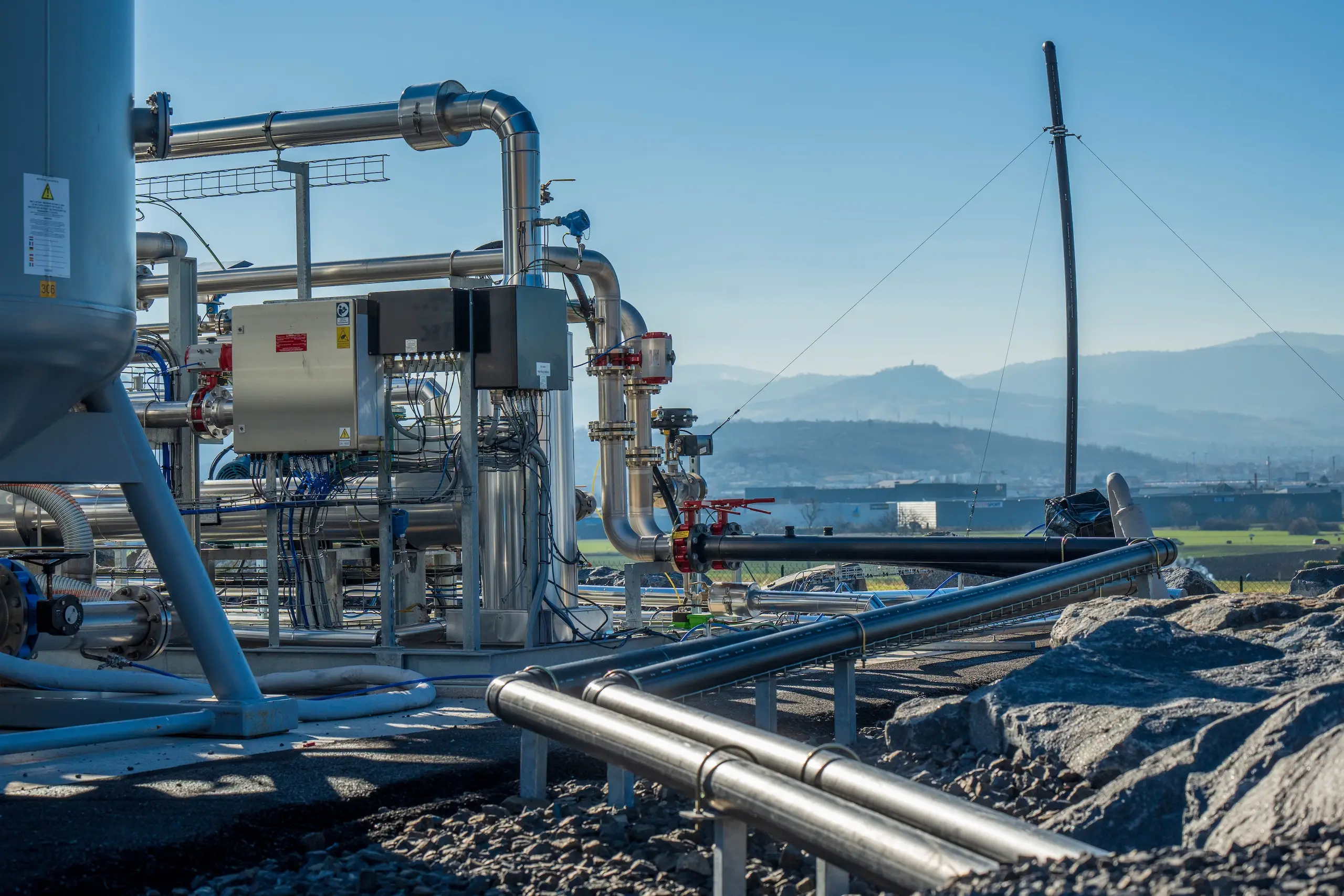
Waga Energy develops local renewable energy solutions that strengthen energy independence and support the energy transition.
56
WAGABOX® units worldwide
20 under construction and 36 operational
504k
tons
of CO₂ equivalent emissions avoided since 2015
2,338
GWh of
biomethane injected since 2015
WAGABOX® units operate worldwide through long‑term partnerships with landfill owners and energy offtakers, helping expand access to clean, local renewable energy.
News
All News on Biomethane and
the Energy Transition.

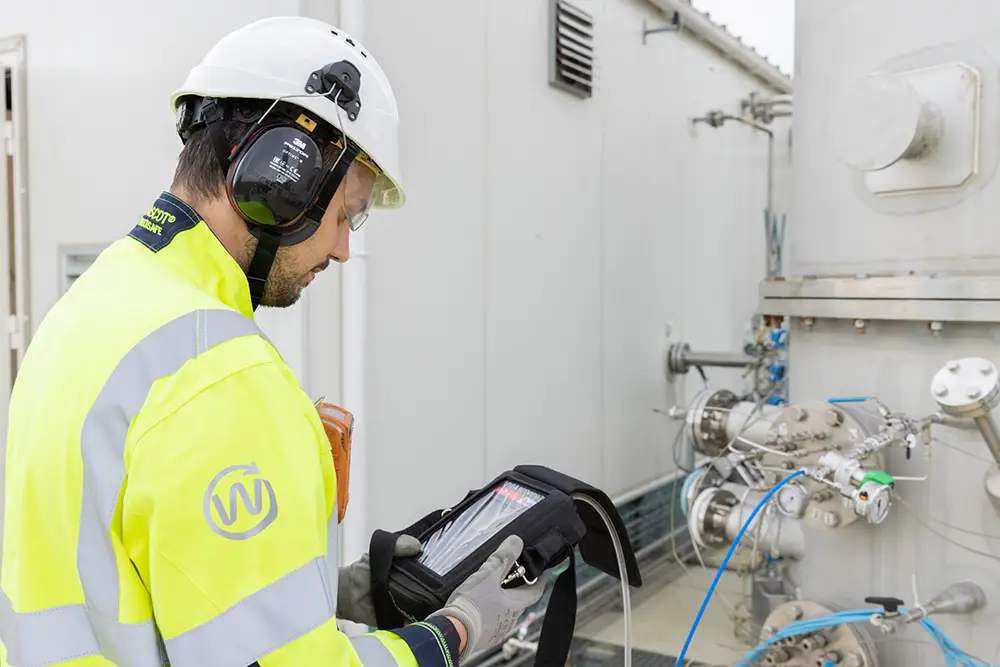
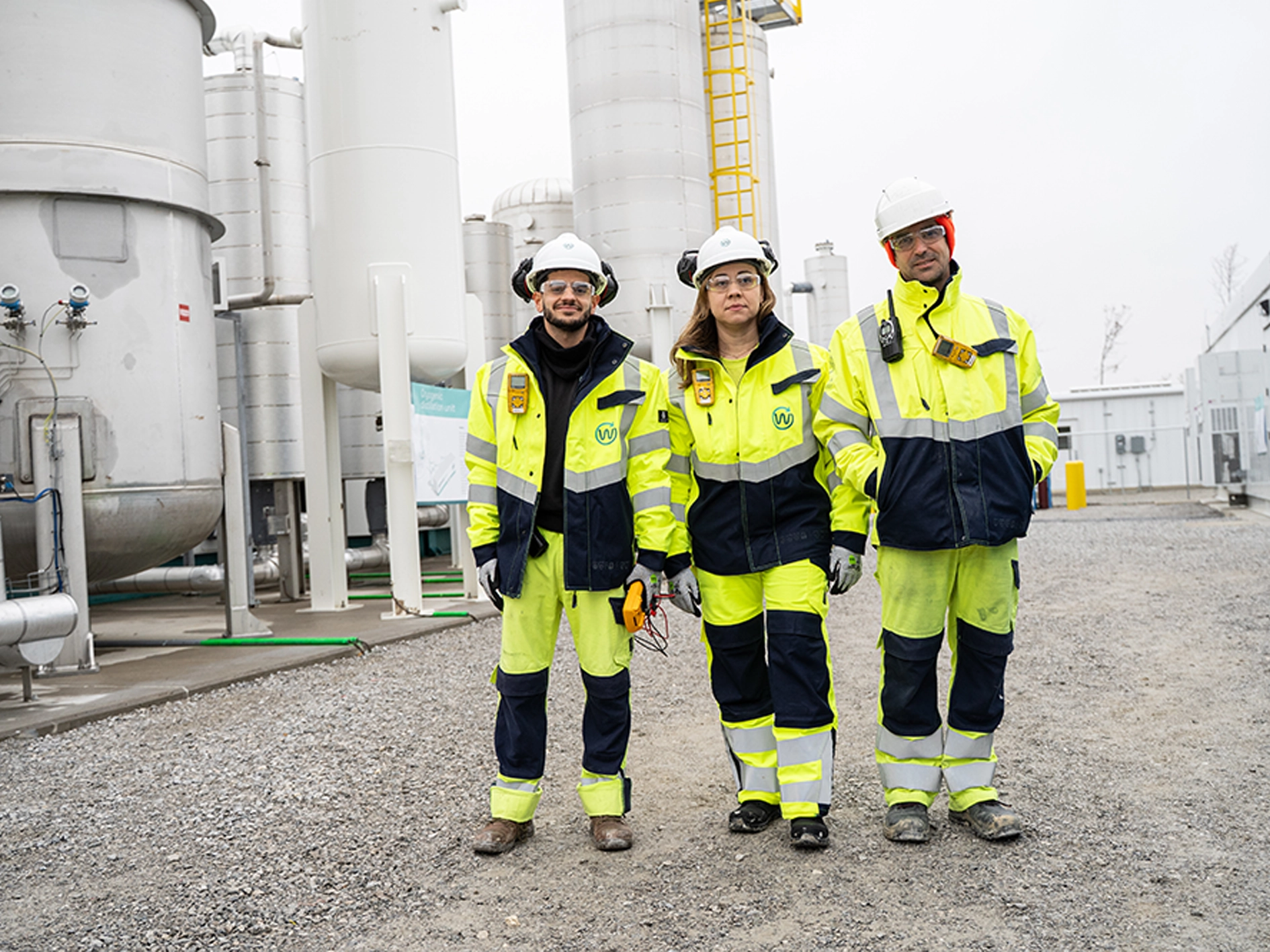
Each quarter, find the analyzes of our experts, the key moments that marked our news and upcoming events where you can meet us
Meet Us
Biomethane Events Around the World.
Waga Hub
Landfill Gas to Biomethane
Expertise Ressource Center.

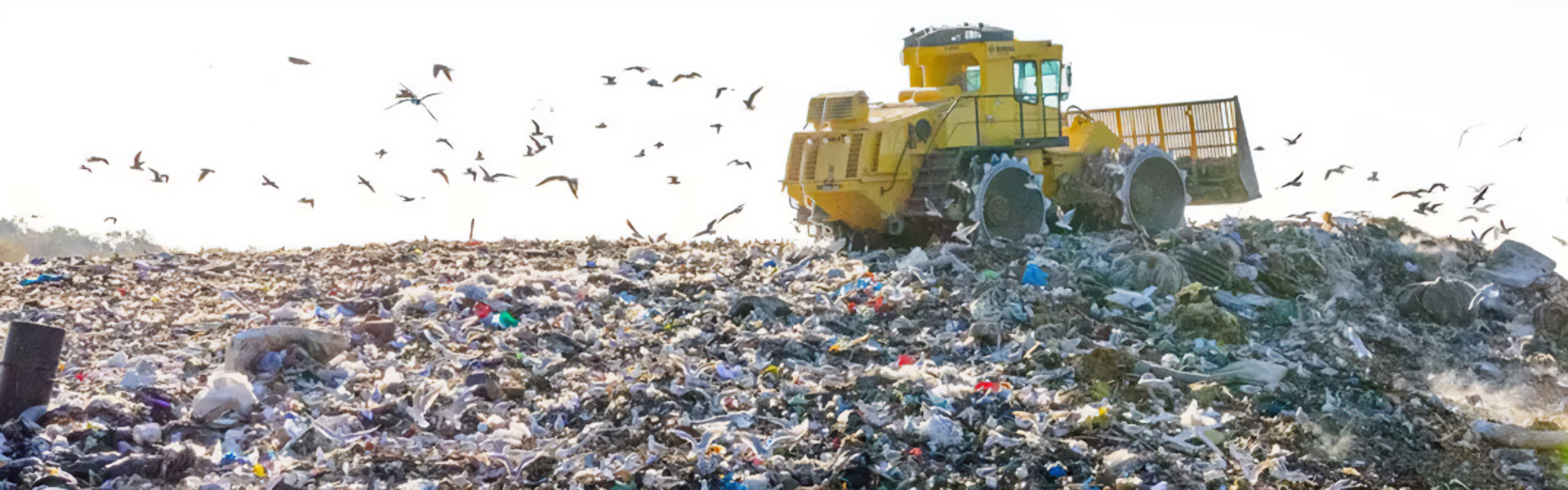
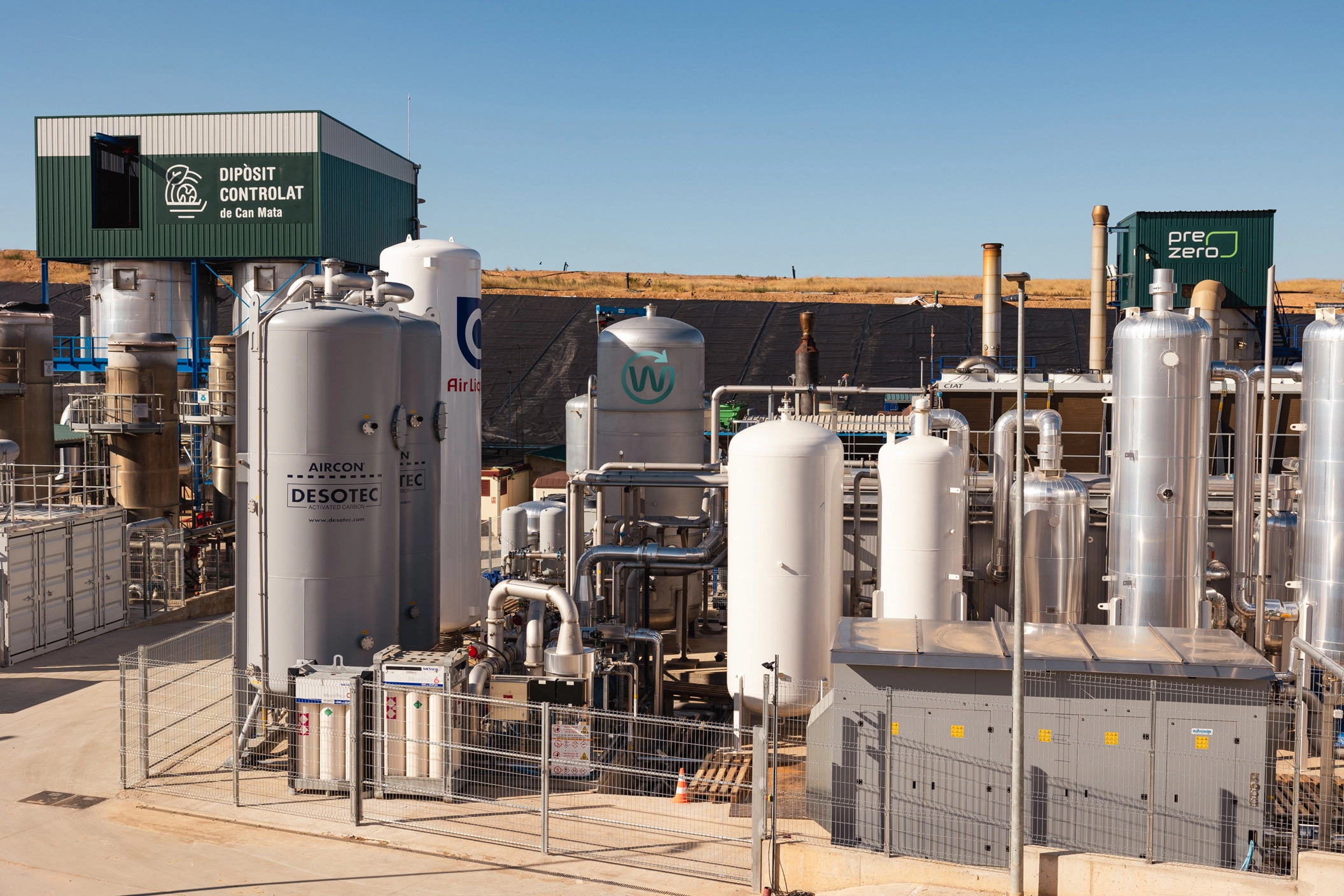
WagaHub to understand the issues and applications
All
Categories
Understanding Biogas
Technology and Innovation
Economy and Regulation
Our expertise
Territories and Impact
References
Become an actor in the
fight against climate change
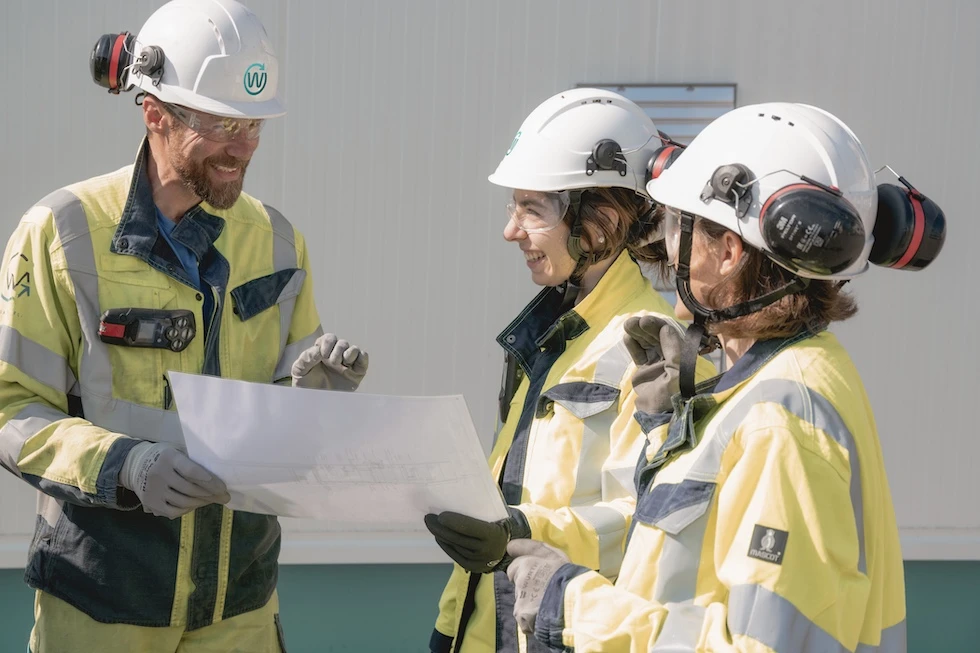
Waga Energy recruits talents all over the world to support its international growth and accelerate the energy transition.
Discover how our biomethane solutions
can support for your business
Understand Waga Energy’s technology and solution.
Frequently
Asked Questions
Why is biomethane considered a renewable and low-carbon energy source?
Biomethane is renewable because it is produced from organic materials (waste, residues, and effluents) that are naturally replenished through the biological cycle. It is low-carbon because it is part of the short carbon cycle: the CO₂ released during its combustion corresponds to the CO₂ absorbed by biomass during its growth, unlike fossil natural gas, which releases carbon that has been stored underground for millions of years. It is carbon-neutral and helps avoid methane emissions, a particularly powerful greenhouse gas. Furthermore, by capturing methane generated from the decomposition of waste and converting it into a valuable energy source, its direct release into the atmosphere is prevented—a major benefit given that methane has a global warming potential approximately 80 times greater than that of CO₂ over a 20-year period.
What is the impact of Waga Energy’s solution on greenhouse gas emissions reduction?
Waga Energy’s solution delivers a double positive climate impact. First, it helps improve the capture of methane emitted by landfill sites. This prevents the release into the atmosphere of a gas whose global warming potential is approximately 80 times greater than that of CO₂ over a 20-year period. Second, it produces biomethane, which replaces fossil natural gas in gas networks and enables consumers to reduce their carbon footprint.
What types of partners does Waga Energy work with?
Waga Energy works with three main categories of partners. Upstream, landfill owners and operators provide the raw landfill gas. At the distribution level, gas network operators ensure the injection and transportation of biomethane through the gas grid. Downstream, offtakers—including industrial companies, energy providers, local authorities, and businesses committed to CSR initiatives—consume this renewable gas to reduce their carbon footprint (Scope 1 and Scope 2 emissions). This model creates a virtuous ecosystem in which each partner contributes to the local valorization of landfill gas and the decarbonization of energy.
How does WAGABOX® technology produce biomethane from landfill gas?
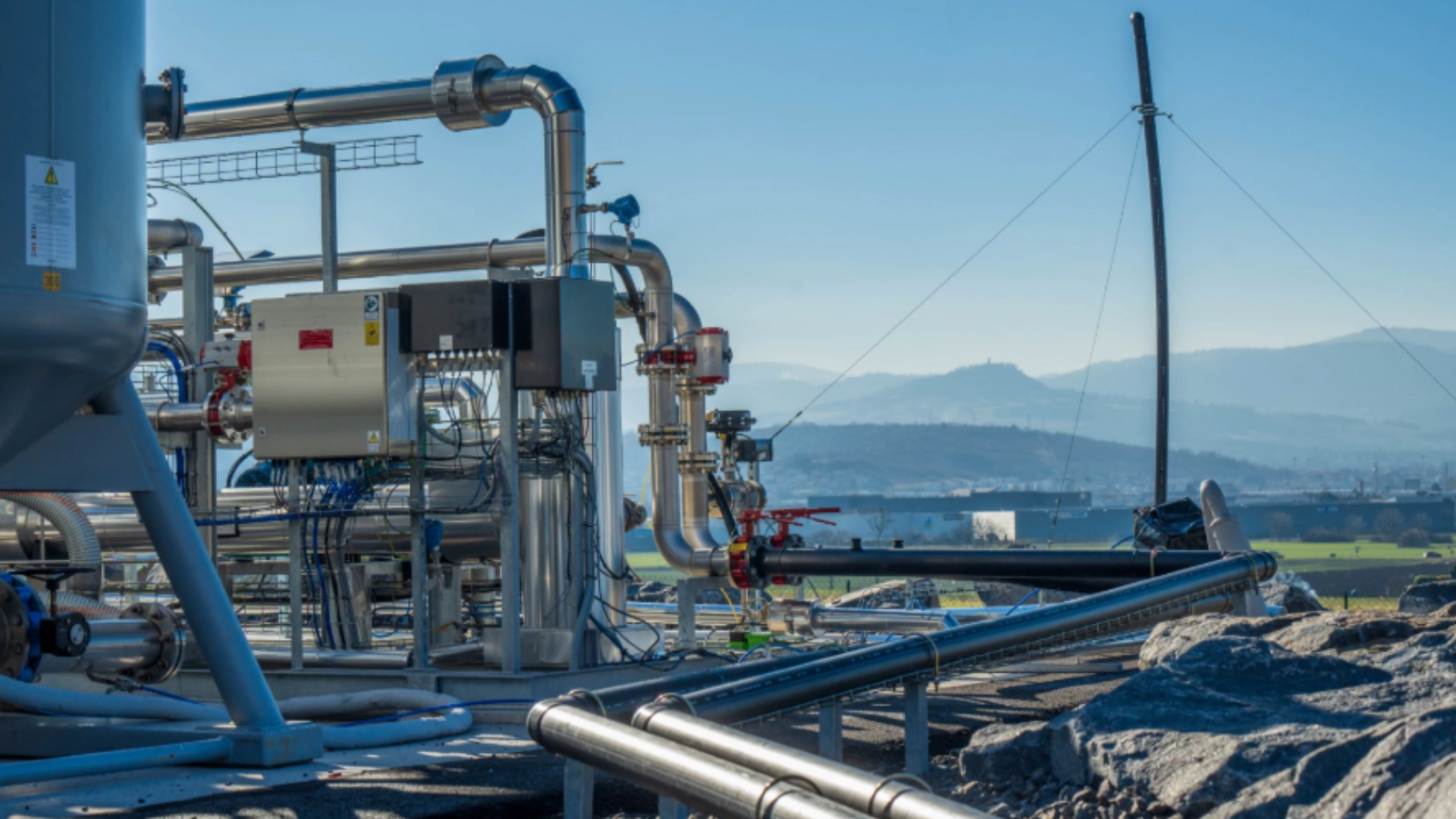
WAGABOX® technology combines two processes: membrane separation to remove the CO₂ and impurities contained in the landfill gas, and cryogenic distillation to extract oxygen and nitrogen. This patented technology makes it possible to recover 90% of the methane contained in the landfill gas and to produce biomethane that meets the injection specifications of most gas network operators (>97% CH₄). It also adapts to the many variations in composition and flow rate that characterize landfill gas emitted by landfill sites.
What is Waga Energy’s business model?
Waga Energy operates under a BOO (Build-Own-Operate) model: the company finances, builds, owns, and operates its WAGABOX® units, assuming full technological and operational responsibility. The biomethane produced is injected into gas grids and marketed separately through long-term private agreements (BPAs, indexed-price contracts, or fixed-price contracts). Landfill owners receive either a royalty linked to biomethane production or a land lease payment, without having to make any investment or assume any operational risk.
In which countries is Waga Energy present, and what types of projects does it develop there?
Waga Energy develops biomethane production projects in partnership with public and private landfill operators. The company is present in Europe (France, Spain, Italy, and the United Kingdom), North America (the United States and Canada), and Brazil. Each project follows the same model: the installation of a WAGABOX® unit at an existing landfill site, the production of biomethane injected directly into the local gas grid, and its commercialization through long-term agreements. This approach transforms an underutilized local resource into renewable energy, contributing to the decarbonization of local communities and economies.
What is the typical duration of a commercial partnership between Waga Energy and a landfill site?
Commercial partnership agreements typically last 15 to 20 years, a duration aligned with both the landfill gas production cycle and the depreciation period of the WAGABOX® unit. This allows the landfill owner to benefit from a stable source of revenue without making any investment, while Waga Energy optimizes landfill gas recovery throughout the site’s productive life. Extension clauses may be included depending on the evolution of the gas resource.