Turning Landfill Gas into Biomethane
Every year, millions of tons of municipal waste in Italy generate biogas as they decompose. According to national data, Italy operates several hundred landfill sites, a significant share of which still produce biogas that is not fully recovered or utilized.
Technical performance and adaptability
In Italy, landfill sites show significant variability due to regional differences and historical waste management practices. As a result, landfill gas composition can vary considerably depending on waste type, site age, and operating conditions.
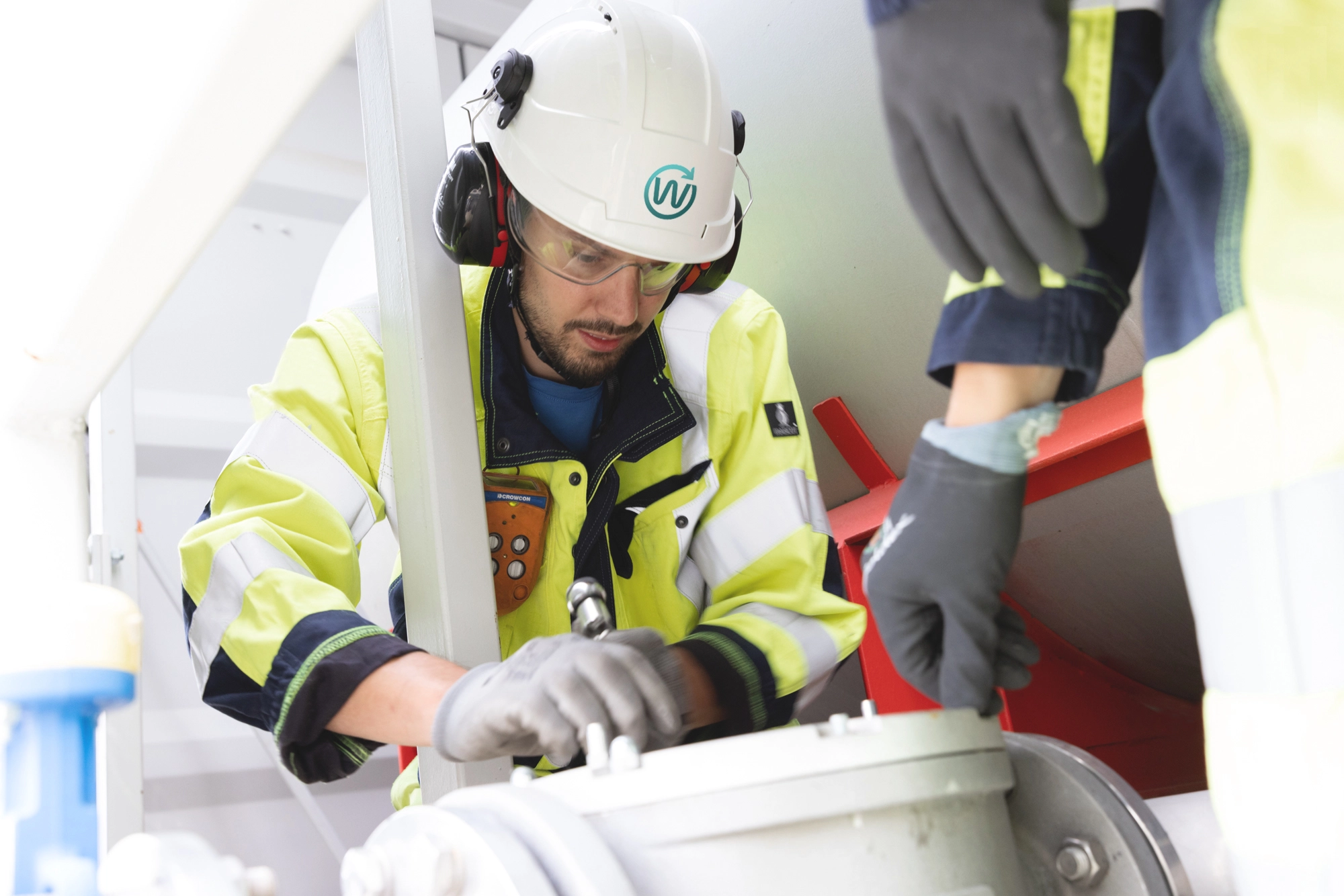
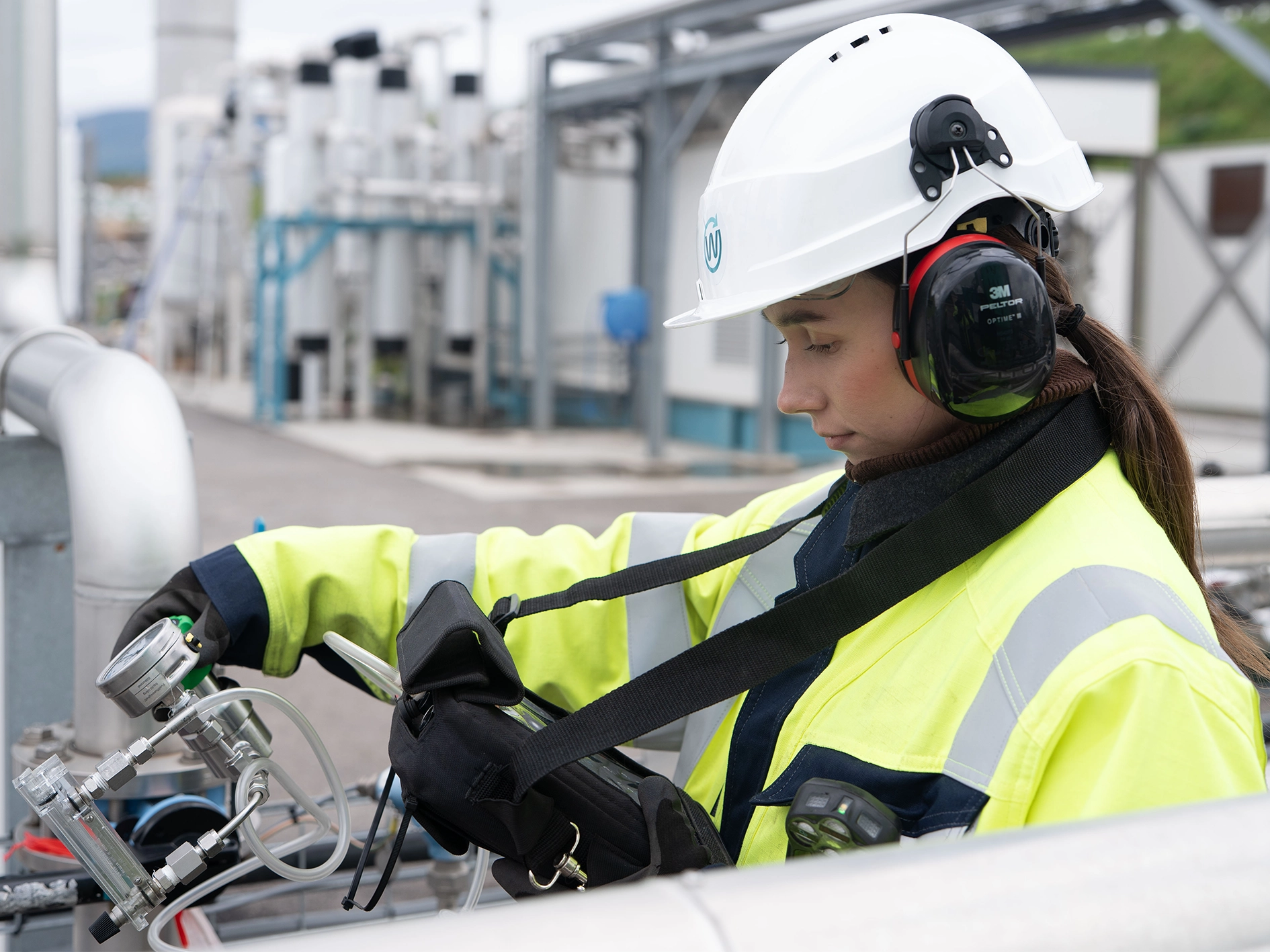
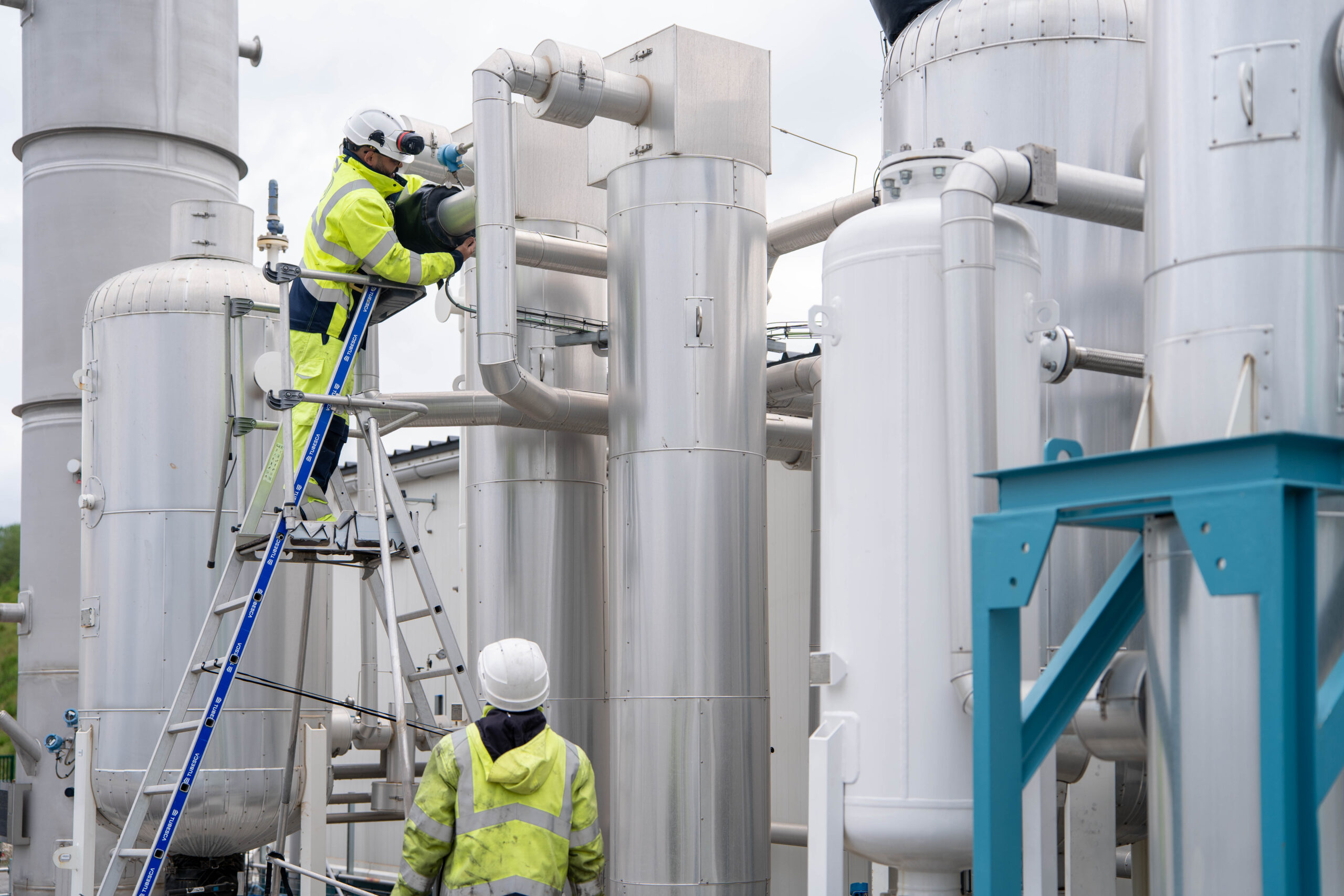
WAGABOX® units are designed to handle these variations over time. Their configuration enables continuous operation despite fluctuations in gas quality and flow rates, ensuring stable and consistent biomethane production.
Environmental Impact
The transport sector in Italy accounts for a substantial share of total greenhouse gas emissions, making its decarbonization a key priority. Biomethane is recognized in national policy frameworks, including the Integrated National Energy and Climate Plan (PNIEC), as an effective lever to support this transition.
In this context, capturing and upgrading landfill gas contributes to reducing methane emissions, a greenhouse gas with a high global warming potential. When used as bio-CNG in transport, it also enables significant reductions in CO₂, particulate matter, and nitrogen oxide emissions compared to conventional fuels.
Economic and regulatory considerations
Beyond its environmental benefits, WAGABOX® technology brings a clear economic advantage. By combining superior energy recovery with exceptional operational reliability, the technology maximizes biomethane output and revenue from landfill sites - outperforming other biogas valorization solutions currently available on the market.
For Italian landfill operators, this means turning an underused resource into a profitable, sustainable energy stream, while supporting the country’s ambition to achieve net-zero emissions by 2050 (according to Italian government).
Driving the Future of Renewable Gas in Italy
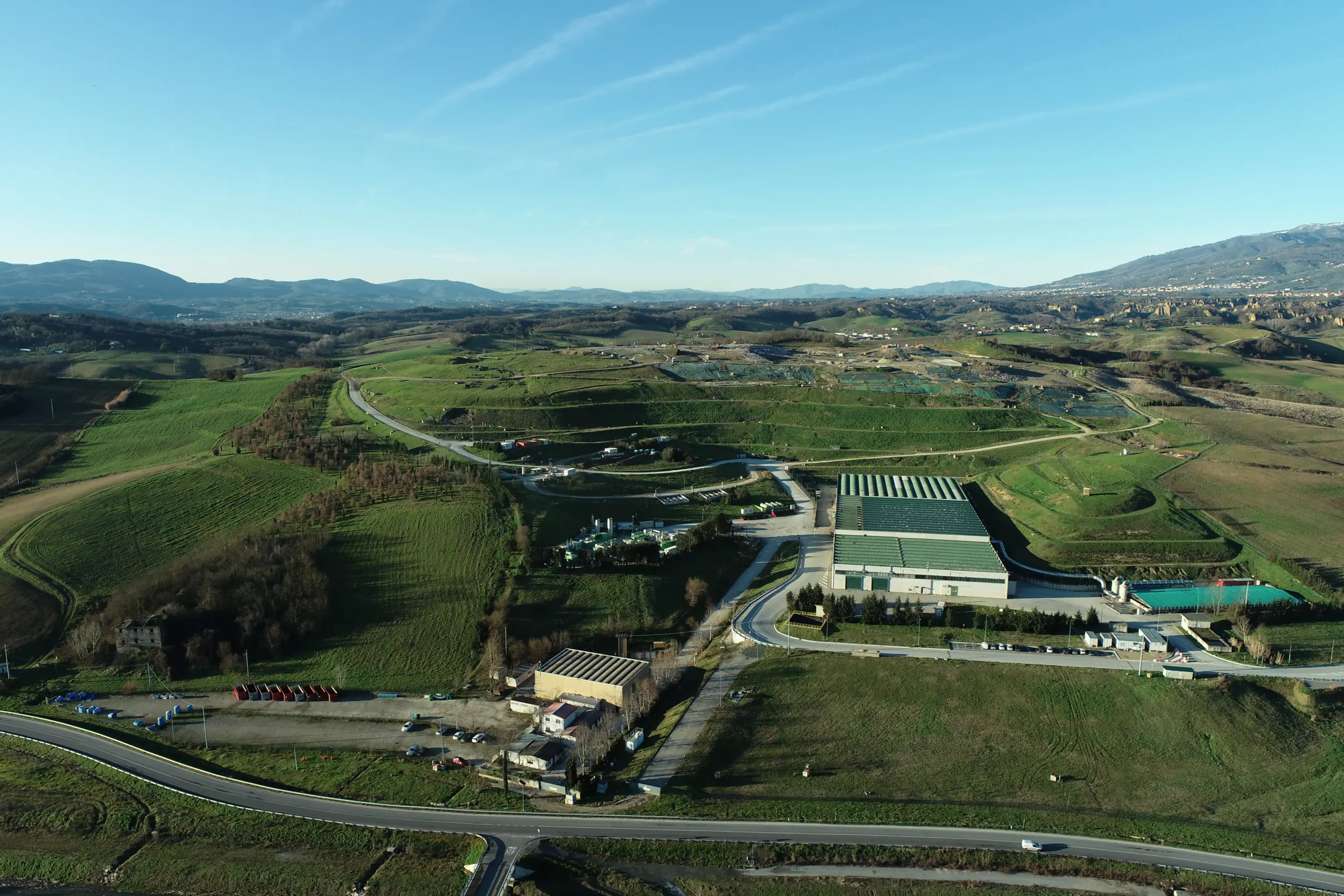
Waga Energy has been expanding its activities in Italy in recent years. The company has been established in the country since 2022, with headquarters in Milan. In October 2024, Waga energy signed a contract with Centro Servizi Ambiente Impianti (CSAI), a subsidiary of the Iren Group, to develop a biomethane production unit at a post-operational landfill in Terranuova Bracciolini (Tuscany). The unit is designed to produce up to 29 GWh anually, corresponding to an estimated avoidance of approximately 5,900 tonnes of CO₂ equivalent per year.
A second contract was signed in April 2025 with Scapigliato S.r.l., which manages waste for the municipality of Rosignano Marittimo (Tuscany). This unit is expected to have an installed capacity of around 92 GWh per year and an estimated avoidance of approximately 15,500 tonnes of CO₂ equivalent annually.
Together, these two projects represent a total installed capacity of approximately 120 GWh per year. The biomethane produced will be injected into the Italian gas transmission network and sold under private off-take agreements (BPAs).
These developments illustrate the growing role of landfill gas upgrading in Italy, complementing the country’s already well-established agricultural biomethane sector. Waga Energy intends to further deploy its solution across the Italian territory, in line with the country’s energy transition objectives.
At a glance

An untapped energy resource
In Italy, landfill gas remains underutilized despite its potential to reduce methane emissions and produce renewable energy locally.

A solution adapted to Italian landfill conditions
WAGABOX® technology is designed to handle the variability of landfill gas typical of Italian sites, ensuring reliable biomethane production compatible with the national gas grid.

Supporting Italy’s renewable gas development
Initial projects in Tuscany illustrate the role of landfill-based biomethane in complementing Italy’s agricultural sector and expanding renewable gas production across the country.
Contact our experts

Andrea Baldini
CEO Waga Energy Italia